Home › Ski & snow › Ski tips
Planning Your Courchevel Ski Vacation: A Skier’s Guide

Planning a Courchevel ski vacation can feel overwhelming when you look at the sheer scale of the French Alps. With several distinct resort villages stepping up the mountain and immediate links into the vast ski network of Les 3 Vallées, knowing where to base yourself and how to structure your days makes a massive difference to your trip.
Having spent countless seasons gliding across these slopes, I can tell you that the resort works brilliantly for every type of skier. You do not need to spend a small fortune or be an expert athlete to enjoy the mountain, provided you understand how the terrain, villages, and local transport connect.
Choosing the Right Village Base in Courchevel
Courchevel is not a single town, but a collection of distinct villages linked by road, free shuttle buses, and chairlifts. At the bottom sits Saint-Bon, followed by Le Praz at about 1300 meters, which keeps an authentic Savoyard atmosphere with traditional stone chalets and direct gondolas to the upper ridges. Just above lies Courchevel 1550, now called Courchevel Village, offering fast lift access to the main snow fronts at sensible lodging prices.
Higher up the switchbacks, Courchevel 1650, known as Moriond, enjoys exceptional sunshine and its own gentle ski sector that beginner and intermediate skiers love. Courchevel 1850 is the largest and most famous hub, home to luxury boutiques, major lift junctions, and widespread ski-in access. Tucked off to the side in the spruce forests sits La Tania, a quiet, pedestrianized satellite village developed for the 1992 Winter Olympics that provides direct access to both Courchevel and Méribel.
Your ideal base depends entirely on what you want from your trip: quiet evenings in a stone village, convenient family ski schools, or quick links into the high-altitude lift grid.
Terrain and Runs for Every Ability
The grooming standards across the valley are among the finest in the world, making the marked trails exceptionally comfortable to navigate. Novices can learn on enclosed green zones known as Zen areas, located close to the resort centers in 1850 and Moriond. These zones are completely separated from through traffic, giving learners a calm space to build confidence on wide, gentle slopes.
Progressing intermediates have hundreds of kilometers of undulating blue and red runs. The wide, sweeping descents around the Signal chairlift in Moriond stay uncrowded, while runs like Creux and Biollay above 1850 give you big mountain views and generous turning room. For advanced skiers, the steep couloirs off the Saulire ridge, including the legendary Grand Couloir, test your technique on steep mogul fields and tight pitches.
| Ski Level | Recommended Sector | Key Run or Zone |
|---|---|---|
| Beginner | Courchevel 1850 & 1650 | Zen learning zones and Pralong |
| Intermediate | Moriond (1650) | Signal, Chapelets, and Creux |
| Advanced | Saulire Peak | Grand Couloir, Combe de la Saulire |
| Tree Skiing | La Tania & Le Praz | Folyères and Jean Blanc (lower) |
Navigating Les 3 Vallées and Altitude Advantages
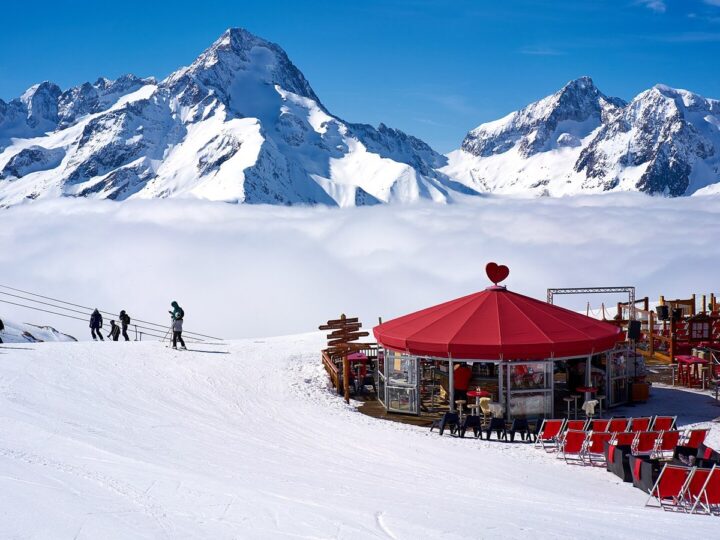
Courchevel forms the eastern gateway to the broader 3 Vallées system, connecting seamlessly with Méribel, Les Menuires, and Val Thorens. High-altitude skiing here reaches roughly 3200 meters at the peaks. Because many upper slopes face north, the snow holds cold temperatures and dry consistency well into the late spring season, even when lower valleys begin to soften in the afternoon sun.
When venturing across to neighboring valleys, you must keep an eye on the clock. Getting stuck in the wrong valley when the connecting lifts close means taking a very long and expensive taxi ride around the base of the mountains. A good rule of thumb is to start heading back toward the Saulire or Col de la Loze ridges by early afternoon, especially if high winds or low visibility threaten to slow lift operations.
Rental Equipment and Ski Schools
Booking your ski equipment in advance is sensible, particularly during school holidays. Most rental shops let you swap boots if they pinch or exchange skis if conditions shift from hardpack to fresh powder. Fitting your boots properly is the single most important technical step of your trip. Never suffer through ill-fitting boots; return to the shop immediately to adjust or change the shell.
Instruction across the valley is top quality. The École du Ski Français operates large branches in every village, running extensive children’s snow gardens and group clinics. Several British and independent ski schools also operate here, specializing in small group coaching and private off-piste guiding. If you want to hire a private coach or join an adult clinic, secure your spot weeks before arrival.
Local tip: If you rent equipment in one village but plan to store gear near your ski school meeting point, check if your hire shop provides slope-side heated lockers so you can avoid carrying skis on the village shuttle.
Local Valley Versus Full Area Lift Passes
When buying lift passes, you can choose between a Courchevel-only pass and a full 3 Vallées pass. Beginners and families with young children rarely need more than the local Courchevel ticket. The local valley contains dozens of lifts and more than enough terrain to keep recreational skiers happy for an entire week without ever crossing into Méribel.
Strong intermediates and expert skiers should opt for the full 3 Vallées pass. The freedom to ski from Courchevel over to the high glacier bowls of Val Thorens and back in a single day is what makes this region famous. You can also purchase single-day extensions at resort ticket windows if you buy a local pass and decide to make one big tour across the ridges.
Mountain Safety and Changing Conditions
Alpine weather changes rapidly at high elevations. A bright morning can shift to a zero-visibility whiteout within an hour, making high ridge lines cold and disorienting. Always carry an extra layer in your pack, wear a helmet, and stick to the marked runs unless you have proper avalanche rescue gear and know how to use it.
Leaving the marked trails carries genuine avalanche risk, even on slopes right next to groomed pistes. Always consult the daily avalanche bulletin posted at the main lift stations and consider hiring a qualified UIAGM mountain guide if you plan to explore untracked terrain. Ensure your travel insurance includes winter sports coverage and mountain rescue service to avoid steep medical evacuation bills.
Eating Well on and off the Mountain
Food is a central part of any French ski trip, and the local Savoie specialties are hearty enough to fuel cold days outside. You will find raclette, cheese fondue, and tartiflette on almost every traditional menu. While slopeside terrace lunches at 1850 can be pricey, you can find friendly, authentic dining by heading slightly off the main thoroughfares or dropping into the mid-station restaurants near La Tania and Moriond.
Self-catering travelers can pick up fresh baguettes, regional Beaufort cheese, and cured mountain hams from local village bakeries and grocers. Taking a thermos of tea and a fresh sandwich onto a sunny mountain bench offers a peaceful alternative to busy lunchtime dining halls, leaving you more time to enjoy quiet afternoon runs.
Frequently asked questions
What is the best village in Courchevel for beginners?
Courchevel 1650 (Moriond) and Courchevel 1850 offer the easiest terrain, thanks to dedicated Zen learning areas and wide, gentle green slopes right next to the village centers.
Do I need a 3 Vallées pass, or is Courchevel enough?
A Courchevel-only pass is plenty for beginners, families, and leisurely skiers. Confident intermediates and advanced skiers who want to explore Méribel and Val Thorens should buy the full 3 Vallées pass.
How do you travel between the different Courchevel villages?
Free resort shuttle buses run regularly throughout the day and late into the evening between Le Praz, Village, Moriond, and 1850. Several gondolas also connect the lower villages during ski lift hours.
When is the snow best in Courchevel?
The snow is typically most reliable from mid-December through April. January and February provide cold powder conditions, while March brings longer sunny days and excellent high-altitude spring snow.