Home › Ski & snow › Ski tips
Skiing the French Alps: Courchevel and 3 Valleys Guide
Planning a trip for skiing the French Alps can feel daunting when you look at the sheer scale of the mountains, but Courchevel makes settling into high-altitude skiing straightforward. Set on the eastern edge of Les 3 Vallées, the resort combines manicured pistes, reliable snow coverage, and fast lifts that connect you across several valleys.
After spending many winters here, you quickly learn that each village sector has its own character and microclimate. Once you understand how the terrain links together, you can ski all day without ever sliding down the same run twice.
Understanding the Courchevel Valley and Its Villages
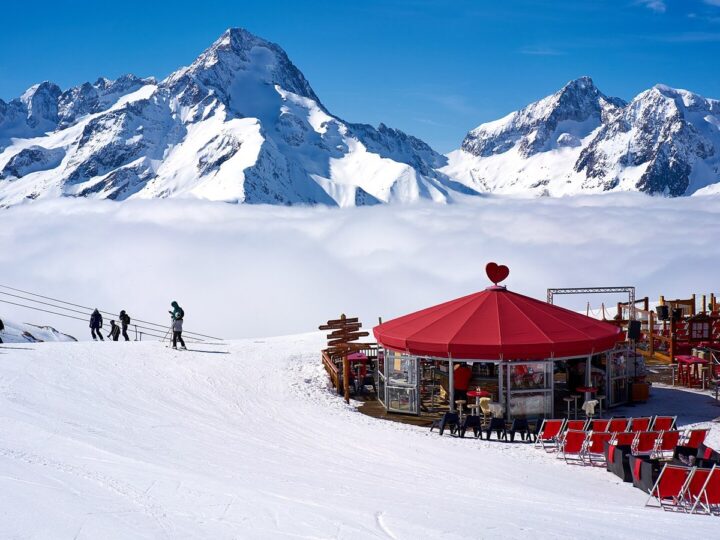
Courchevel is organized across several distinct altitudes, each offering its own base area, atmosphere, and ski access. Down at the lower elevations, Saint-Bon and Le Praz sit among traditional farmland and quiet alpine chalets, linked upward by modern gondolas. Further along the mountain slope, Courchevel Village (1550) and Courchevel Moriond (1650) provide easy slope access with relaxed streets, while Courchevel 1850 serves as the primary hub where multiple main lifts converge on the central snowfront at La Croisette.
Each village gives you a slightly different starting point for your day on the mountain:
- Courchevel 1850: The main lift junction with immediate access to high alpine peaks, wide beginner zones, and links to Méribel.
- Courchevel Moriond (1650): Known for sunny, gentle terrain that catches early morning light and feels less crowded during peak weeks.
- Courchevel Village (1550): A quiet valley base offering direct gondola access into 1850 within minutes.
- Courchevel Le Praz (1300): A historic village with ski jumps and direct gondolas straight to the main slopes and high ridges.
- La Tania: Tucked among pine forests between Courchevel and Méribel, offering sheltered tree-lined skiing on bad weather days.
Slopes and Terrain for Every Level of Skier
The grooming across Courchevel is widely regarded as some of the most thorough in Europe, which builds confidence early in a ski trip. Beginners have access to dedicated slow zones, known locally as ZEN areas, where faster traffic is kept away. Gentle greens around the Jardin Alpin and the wide rolling slopes above Moriond allow novices to turn easily without steep pitches to worry about.
Intermediate skiers will find endless long cruisers across the valley. Blue pistes like Creux roll gently through wide bowls from the top of the mountain down toward the mid-stations, while red runs off the Saulire ridge offer steeper pitches and broad carving ground. Advanced skiers can test themselves on steep marked couloirs and challenging blacks, including the Grand Couloir and the World Cup race slopes down into Le Praz.
| Ski Level | Recommended Sector | Top Pistes to Try |
|---|---|---|
| Beginner | Moriond (1650) & Jardin Alpin | Pralong, Bellecôte, Mickey |
| Intermediate | Creux Bowl & Biollay | Creux, Marmottes, Biollay |
| Advanced | Saulire & Vizelle | Grand Couloir, Combe de la Saulire, Éclipse |
Navigating Les 3 Vallées Beyond Courchevel
Courchevel forms the eastern gateway to Les 3 Vallées, which links over through Méribel, Les Menuires, and up to high-altitude Val Thorens. You can reach Méribel simply by taking the Saulire cable car or gondola and dropping down the other side of the ridge. The interconnected lift network means you can spend a morning cruising Courchevel, stop in Méribel for lunch, and finish your afternoon exploring the quiet valleys beyond.
Always keep an eye on lift closing times posted at the top stations when you venture into neighboring valleys. Getting back from Val Thorens or Les Menuires requires several lift rides, and missing the final connection back over the ridge means an expensive taxi journey around the base of the mountains.
Local tip: Take a photo of the return lift schedule on your phone before crossing the ridge to Méribel, and aim to start your journey back to Courchevel at least an hour before the final lifts close.
Choosing the Right Lift Pass
You will generally choose between two main pass options: a Courchevel local valley pass or a full Les 3 Vallées pass. If you are a beginner, traveling with small children, or only planning to ski for two or three hours a day, the Courchevel valley pass provides more than enough terrain to keep you satisfied for an entire week. The local network covers dozens of lifts and miles of connected pistes without needing to cross a single ridge.
If you are an intermediate or advanced skier who likes covering distance, the full area pass is worth every euro. It grants total freedom to explore all interconnected valleys, including the glacier runs above Val Thorens and the sunny cruising bowls of Les Menuires, without stopping to upgrade at lift ticket windows.
Ski Schools, Guiding, and Mountain Safety
Good instruction makes a world of difference when navigating alpine terrain. Several established ski schools operate across the villages, including the French Ski School (ESF) along with independent British and international academies. You can book group lessons for children, beginner clinics, or private mountain coaching to refine your off-piste technique.
Mountain safety requires steady attention when skiing the French Alps. Wearing a certified ski helmet is strongly encouraged across all runs, and staying within marked pistes ensures you remain protected by local mountain patrol services. If you plan to explore off-piste powder or high alpine bowls, always check the daily avalanche bulletin posted at lift stations, carry a transceiver, shovel, and probe, and hire a qualified local mountain guide who understands the snowpack.
Ski Hire, Boot Fitting, and Daily Logistics
Renting your equipment close to your lodging or right next to your primary lift departure point saves significant effort each morning. Most villages have reputable ski shops offering modern carving skis, snowboards, and touring gear, along with professional boot fitting services to prevent pressure points and cold feet. Many shops also provide overnight heated lockers, allowing you to walk to the lifts in comfortable street shoes.
Free shuttle buses connect all the Courchevel villages from early morning until late evening, running regularly between Saint-Bon, Le Praz, 1550, 1650, and 1850. This public transit makes it easy to sample restaurants across different village sectors or meet friends staying in another part of the resort without needing to drive your own vehicle on snowy mountain roads.
Altitude, Snow Quality, and Weather Conditions
Courchevel benefits from north-facing slopes across much of its upper terrain, which helps preserve dry, cold snow late into the spring season. The ski area ranges from about 1300 meters at Le Praz up to roughly 2700 meters near the Saulire summit, giving you substantial vertical drop and varying snow conditions depending on where the sun hits throughout the day.
Checking the morning weather and wind forecasts before heading up is essential. On clear, calm mornings, head straight for high alpine ridges to enjoy firm, groomed pistes. When clouds roll in or flat light sets in at high altitude, drop down into the lower forest runs around La Tania and Le Praz, where the evergreen trees provide natural definition and shelter from mountain winds.
Frequently asked questions
Is Courchevel suitable for first-time skiers?
Yes, Courchevel is exceptionally well designed for beginners. The resort features dedicated slow-speed zones called ZEN areas, wide green slopes around Jardin Alpin and Moriond, and numerous ski schools with multi-lingual instructors.
Do I need the full 3 Valleys pass for a week of skiing?
Beginners and relaxed cruisers will find plenty of variety on the local Courchevel valley pass alone. Intermediate and advanced skiers who want to explore neighboring valleys like Méribel and Val Thorens should buy the full Les 3 Vallées pass.
What should I ski when the weather turns poor?
When high winds or low visibility affect the peaks, head to the tree-lined runs around La Tania and Le Praz. The forest provides contrast against flat light and offers protection from mountain gusts.
What safety equipment do I need for off-piste skiing in Courchevel?
Anyone leaving marked runs must carry an avalanche transceiver, probe, and metal shovel, and know how to use them. You should always check the local avalanche bulletin and hire a certified mountain guide.