Home › Ski & snow › Ski tips
Courchevel Ski Season: Snow, Slopes, and Planning Guide
Planning a trip for the upcoming Courchevel ski season often starts with checking weather reports and hoping for early storms. Mountain weather changes from year to year, but high-altitude skiing offers dependable cover across the winter months.
Courchevel sits on the eastern edge of Les 3 Vallées, the vast linked ski domain in the Savoie region of the French Alps. Understanding how altitude, terrain, and valley layout interact will help you make the most of every day on the mountain.
Altitude and Snow Reliability across the Valley
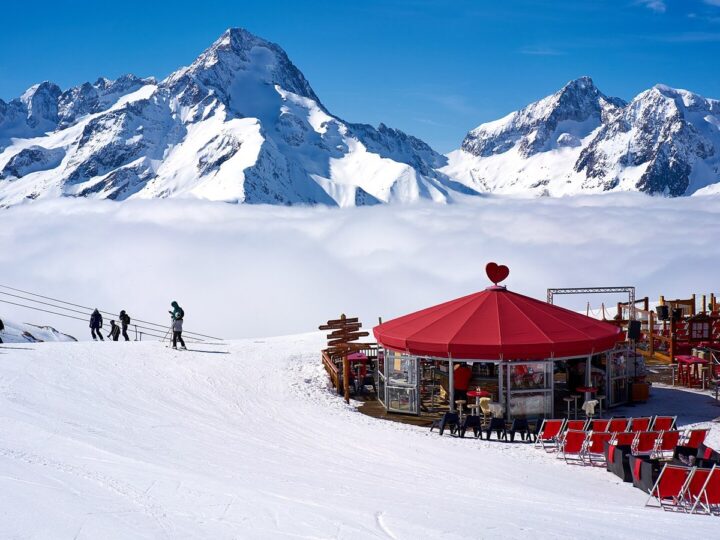
When early winter brings unpredictable storms across western Europe, skiers naturally turn their attention to high terrain. Courchevel benefits from an advantageous geography where altitude and slope orientation work in your favor. A significant portion of the ski area sits above two thousand meters, and many of the classic runs face north or northwest, shielding the snowpack from direct sun during warmer spells.
Extensive snowmaking networks also back up natural snowfall on key thoroughfares and beginner zones. When early storms hit late autumn, the resort grooms a solid base that lasts well into spring, keeping connections open across the ridge lines.
- Upper slopes around the Saulire summit hold firm, cold snow even when lower elevations soften under warm sunshine.
- Shaded runs down through the spruce forests hold their cover reliably well after heavy storm cycles.
- Connecting ridges to Méribel and Val Thorens give you immediate access to higher terrain across neighboring valleys.
Choosing Your Base among the Courchevel Villages
Courchevel is not a single town, but a collection of distinct villages stepped along the mountainside. Each offers a different atmosphere, varying access to the lifts, and diverse terrain right out your door. Where you choose to stay shapes how quickly you reach the slopes each morning.
At the highest elevation sits Courchevel 1850, known for extensive ski-in ski-out lodging and direct lifts to the central ridges. Just below, Courchevel Moriond sits on a sunny western balcony, popular for long, gentle cruising pistes that catch morning light. Courchevel Village provides quieter surroundings with rapid gondola links up to 1850. Down on the valley floor, Courchevel Le Praz retains a traditional village feel with Olympic ski jumps and forested red and black runs. Tucked into the trees nearby, La Tania offers traffic-free streets and winding forest pistes.
Runs for Every Skill Level
The local ski area caters to all technical abilities, with clear signage and carefully separated learning zones. Finding the right terrain for your group ensures everyone progresses comfortably without ending up on runs beyond their comfort zone.
Beginners can start in dedicated ZEN zones, which stand for Zones for the Evolution of Novices. These enclosed areas near Courchevel 1850 and Moriond feature gentle slopes and slow-moving surface lifts where newcomers practice turns away from faster traffic. From there, wide green runs like Plan du Vah allow easy progression toward standard chairlifts.
Intermediate skiers find endless options across the trail map. Wide blue runs crisscross the Saulire sector, while rolling red runs like Creux drop down long, scenic gullies. Advanced skiers can test themselves on steep classics such as the Grand Couloir from the Saulire ridge or the technical tree runs above Le Praz following fresh snowfall.
Local tip: Head to the Moriond sector early in the morning for crisp corduroy in the sunshine, then shift toward the higher Saulire runs by midday to catch the best snow quality.
Choosing Your Lift Pass
Selecting the right pass depends on your skiing pace and how far you plan to travel. The local Courchevel pass covers the entire home valley, offering dozens of lifts and well over a hundred kilometers of runs. For ambitious skiers wanting to roam across mountain passes, a full pass unlocks Les 3 Vallées, linking Courchevel directly to Méribel, Les Menuires, and Val Thorens.
| Pass Option | Best Match | Terrain Access |
|---|---|---|
| Courchevel Valley | Beginners, families, and relaxed cruisers | All local runs from 1300 to the Saulire ridge |
| Les 3 Vallées | Intermediates and experts covering long distances | Full access to all connected valleys and high summits |
Ski Schools and Equipment Rental
Arranging your gear and instruction before you arrive saves precious morning ski time. Each village hosts branches of major ski schools, including the French Ski School along with several independent international academies. Instructors know how to navigate the valley based on current weather, finding softer snow or sheltered tree runs when conditions turn gray.
- Group and private lessons cater to every stage, from first-time toddlers to adults tackling technical off-piste descents.
- Booking lessons well ahead of peak school holiday weeks ensures you secure instructors who speak your preferred language.
- Rental shops sit near every major lift base, offering boot fitting services and the option to swap skis if conditions change from hardpack to fresh powder.
Properly fitted boots matter far more than the brand of skis. Take time during your rental fitting to ensure your boots hold your heel firmly without causing numbness or pinching. If you feel pressure points after your first morning run, return to the shop for quick adjustments.
Mountain Safety and Winter Preparedness
Enjoying high alpine terrain requires practical respect for winter elements. Mountain weather can shift rapidly, bringing sudden fog, high winds, or sharp drops in temperature. Wearing a certified ski helmet is strongly recommended across the entire domain, regardless of your experience level.
Stay strictly within marked, open pistes unless you carry proper safety equipment and understand how to evaluate snow stability. If you plan to explore ungroomed terrain off the marked trails, always check the local avalanche bulletin that morning, hire a qualified mountain guide, and carry a transceiver, probe, and shovel. It is also wise to ensure your travel insurance covers winter sports and mountain rescue, or purchase the local Carré Neige supplementary cover when buying your lift pass.
Frequently asked questions
When does the ski season usually run in Courchevel?
The season typically begins in early December and runs through late April, depending on snow conditions and elevation. Higher sectors often maintain good skiing right up until the spring closing.
Can beginners ski across to neighboring valleys easily?
While beginner terrain in Courchevel itself is extensive, crossing between valleys requires confident blue or red run ability to navigate the ridgelines and return before lifts close. Novices are best served sticking to the local valley runs.
Is a car necessary in Courchevel during the winter?
You do not need a car once you arrive. Free resort shuttle buses link the various Courchevel villages throughout the day and into the evening, and ski lifts provide swift daytime transit between sectors.
What should you do if bad weather closes the high lifts?
When upper lifts on Saulire close due to high winds, lower tree-lined slopes near Moriond, Le Praz, and La Tania offer sheltered skiing with improved visibility.