Home › Ski & snow › Ski tips
A Practical Guide to Skiing in Courchevel

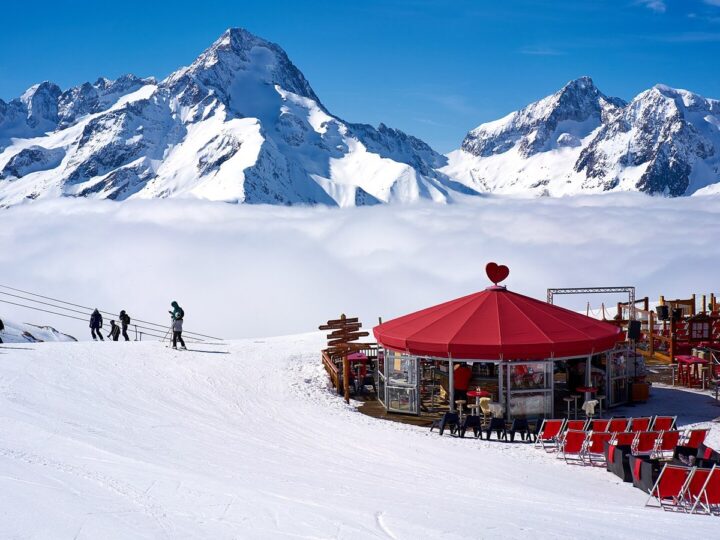
Planning a trip for skiing in Courchevel gives you direct access to the largest linked ski area on the planet, Les 3 Vallées. The resort has earned its reputation through thoughtful lift planning, immaculate grooming, and north-facing slopes that hold cold snow long into the spring afternoon.
The valley can feel intimidating when you look at a trail map for the first time. Each village sits at a different elevation, serves a distinct crowd, and opens onto different sectors of the mountain. With a few clear pointers, you can match your skiing ability and daily routine to the right slopes from your very first morning.
Choosing Your Village Base
Courchevel is not a single ski town, but a collection of distinct villages connected by ski pistes, roads, and modern lifts. The highest village, Courchevel 1850, offers immediate access to the upper bowl, luxury lodging, and direct connections toward Méribel. Down the mountain, Courchevel Moriond sits at roughly 1650 meters on its own sunny balcony, with wide slopes that appeal to families and intermediates. Courchevel Village at 1550 meters gives you fast gondola access directly up into 1850 while offering a quieter residential feel at the end of the day.
Lower down the mountain valley, Courchevel Le Praz sits at roughly 1300 meters. This traditional Savoyard village features classic wooden chalets, quiet streets, and an express gondola that whisks you straight up to 1850 in minutes. Nearby, tucked among the spruce forests, La Tania provides pedestrian streets and ski-in accommodations that link easily into the main network. Where you sleep determines how quickly you reach the lifts each morning and which return trails you ski at dusk.
Slopes and Terrain for Every Ability
The ski area is exceptionally well balanced across all four European piste grades: green, blue, red, and black. Beginners enjoy dedicated slow-speed zones called ZEN areas, located near 1850, Moriond, and Village, where learners practice without fear of fast traffic sweeping past. Gentle green runs like Plan du Vah wind through sheltered tree lines, giving novices safe routes back down the mountain.
Intermediates will find Courchevel Moriond to be pure joy. Wide blue groomers such as Indiens and Marquis offer long, rhythmic descents with consistent pitches and plenty of elbow room. On the main 1850 side, cruising down the Biollay blue piste or carving down Creux provides miles of wide-open, confidence-building skiing. If you prefer steeper terrain, you can tackle challenging red runs like Combe de la Saulire or test your edge control on marked black runs such as Suisses or the legendary Grand Couloir.
Local tip: On clear mornings, take the Saulire cable car up early to enjoy freshly groomed corduroy on Combe de la Saulire before the afternoon crowds arrive.
Altitude and Snow Reliability
Natural snow conditions in Courchevel benefit tremendously from slope orientation and high elevations. A substantial portion of the local terrain faces north and northwest, protecting the snowpack from direct sun exposure and keeping the snow light and dry throughout midwinter. The highest lift-served point reaches near 2740 meters at the Saulire summit, offering reliable cold-weather skiing even during milder winters.
Extensive snowmaking infrastructure covers major thoroughfares and lower home runs down to Le Praz and La Tania. On stormy days when high alpine ridges close due to wind or fog, the lower tree-lined trails below 1850 offer natural shelter, defined contrast, and good visibility. You can continue skiing through falling snow when higher summits become entirely whiteout zones.
Choosing the Right Lift Pass
You can purchase either a local Courchevel valley pass or a full Les 3 Vallées pass. The local pass covers the entire Courchevel sector, which includes more than enough mileage to keep beginners and relaxed intermediates happy for an entire week. If you plan to travel beyond the ridge into Méribel, Les Menuires, or Val Thorens, the full area pass is indispensable.
| Pass Type | Best Suited For | Key Advantage |
|---|---|---|
| Courchevel Valley | Beginners, casual skiers, families with young children | Lower daily cost with plenty of groomed local mileage |
| Les 3 Vallées | Intermediate to advanced skiers, all-day cruisers | Seamless access to adjacent valleys and high peaks |
If you buy a local pass and decide to explore further for a single day, you can purchase an extension at any main lift ticket office before crossing the ridge. Keep track of the final lift closing schedules displayed at major junctions so you do not get stuck on the wrong side of the mountain when lifts close.
Ski Schools and Equipment Rental
Top-tier instruction is readily available throughout the resort villages. The local branches of the École du Ski Français, commonly known as ESF, operate in every village and run dedicated children’s snow gardens called Club Piou Piou. Multiple independent, English-speaking ski schools and private mountain guides also operate across Courchevel. Reserving group lessons or private guides weeks in advance is wise if your trip falls during peak school holidays.
Equipment rental shops line the streets of every village base. You can rent standard beginner packages, high-performance carving skis, snowboards, or touring gear. Most rental outlets allow you to store your equipment on heated boot dryers overnight near the base lifts, saving you the trouble of carrying heavy gear back to your hotel or chalet after a tiring afternoon.
Mountain Safety and Alpine Rules
Staying safe in the high Alps requires preparation, awareness, and respect for mountain terrain. Wearing a certified ski helmet has become the universal standard for adults and children alike. Always observe marked trail boundaries and heed warning signs indicating run closures or maintenance work. Speed checks occur on designated slow trails, so always maintain control and yield to skiers downhill from you.
Venturing beyond marked ski pistes introduces serious hazards, including crevasses, unmarked cliffs, and sudden slides. Always check the official avalanche bulletin posted at lift stations before considering off-piste descents. Never ski unpatrolled terrain alone, and carry essential rescue gear including an avalanche beacon, shovel, and probe. Make sure your travel insurance specifically covers winter sports mountain rescue and medical transport.
Frequently asked questions
Is Courchevel suitable for complete beginner skiers?
Yes, Courchevel provides dedicated beginner areas known as ZEN zones with wide, gentle slopes. Free beginner lifts operate in several villages, allowing novices to build confidence safely before purchasing a full lift pass.
Can I ski from Courchevel to other valleys in a single day?
Skiers with intermediate ability can easily travel across to Méribel and return in a single day with a Les 3 Vallées pass. You must monitor lift closure times on ridge summits to avoid getting stranded in another valley.
When is the best time of winter to go skiing in Courchevel?
January brings cold temperatures and quiet slopes outside holiday weeks, while February offers prime midwinter snow depths. March and April provide sunny days and pleasant spring snow across high-altitude sectors.
Do I need to carry safety equipment on regular ski runs?
On marked and groomed pistes, you do not need avalanche rescue gear, though wearing a helmet is strongly recommended. Safety gear like beacons, probes, and shovels is strictly necessary whenever you venture off-piste.