Home › Ski & snow › Ski tips
Knee Braces for Skiing: Courchevel Slopes Guide

Choosing the right knee braces for skiing can make the difference between cutting your winter holiday short and enjoying comfortable days on the mountain. Skiing and snowboarding place intense loads on your lower body, especially when you navigate changing snow conditions, icy patches, and long descents from high summits.
Courchevel offers vast terrain, from gentle cruising paths to steep mogul fields. Protecting your knees lets you ski with confidence while managing old injuries or simple fatigue. Here is what you should know about knee support, proper gear setup, and smart skiing across Les 3 Vallées.
Understanding Knee Strain on Alpine Slopes
Skiing demands constant rotational control and deep flexion. When your ski edges grip hardpack or catch in heavy afternoon slush, the twisting torque transfers straight through your ankles and into your knee joints. The anterior cruciate ligament, medial collateral ligament, and meniscus absorb the brunt of these dynamic forces. Snowboarders face different biomechanics, yet hard landings and awkward catches on edge can also strain knee ligaments and the patellar tendon.
In Courchevel, the sheer vertical drop adds fatigue into the equation. Descending all the way from the Saulire summit at 2738 meters down to Courchevel 1850 or Le Praz means your quadriceps and hamstrings work continuously for several kilometers. As leg muscles tire, they lose their ability to stabilize the joint actively. That is usually the exact moment when awkward twists happen, making support and good form essential.
Types of Knee Supports for Skiers
Knee braces range from simple elastic sleeves to custom-molded rigid frames. Selecting the right design depends on specific requirements, such as mild warmth and swelling control, extra tracking for your kneecap, or structural resistance against hyperextension and lateral twisting. A brace should never replace professional medical evaluation, but it can provide reassurance and functional stability on the slopes.
| Brace Type | Primary Purpose | Best Suited For |
|---|---|---|
| Compression Sleeve | Promotes blood flow, reduces mild swelling, and provides warmth | Tired joints, minor aches, general confidence |
| Patella Stabilizer | Keeps the kneecap tracking smoothly with an open or padded ring | Patellar tendon pain, discomfort on steep downhills |
| Hinged Knee Brace | Side hinges prevent lateral wobble and limit extreme twisting | Recovered ligament sprains, skiing uneven or choppy snow |
| Rigid Functional Brace | Carbon or metal frame guarding against hyperextension and rotation | Post-surgery skiers, significant past ligament tears |
Modern braces fit cleanly under standard ski trousers. Look for moisture-wicking materials and flat seams that will not pinch the skin behind your knee when your legs are bent in a low skiing stance.
Fitting Your Brace with Ski Boots and Base Layers
A frequent mistake skiers make is buying a brace that collides with the top cuff of their ski boot. Ski boots rise high on the lower leg, and having a brace strap clamped directly beneath the boot cuff creates intense pressure points and cuts off circulation. Before you travel, put on your ski socks, thermal base layer, and ski boots together with your knee brace to verify that everything aligns smoothly.
Short-frame braces designed specifically for snowsports sit slightly higher on the calf to leave ample clearance above the boot tongue. Pull your thin thermal leggings over or under the sleeve according to manufacturer guidelines, ensuring there are no bunched folds of fabric beneath the hinges.
Local tip: Wear your brace around the house for an hour with your knees bent before packing for France, ensuring the straps do not pinch or slide down your leg.
Matching Your Terrain to Your Joint Comfort
Courchevel provides varied terrain that allows you to tailor your runs to how your knees feel each morning. If your joints feel stiff or you are easing back into skiing after an injury, stick to the wide, progressive slopes around Courchevel 1650 Moriond. Runs like Signal, Indiens, and Chapelets offer gentle gradients and smooth grooming that place minimal compressive stress on your patella.
For easy cruising closer to Courchevel 1850, the designated Zen zones and quiet green runs around Jardin Alpin allow relaxed, flowing turns without unexpected drop-offs. If your knees are feeling solid and you seek a challenge, red pistes such as Combe de la Saulire deliver steeper pitches. Save deep moguls on Suisses or high-commitment couloirs for days when your legs are fully rested and conditions are forgiving.
- Courchevel 1650 Moriond: wide, rolling blues that reduce sharp impacts on vulnerable knees
- Courchevel 1850 Zen areas: ideal for testing a new brace without excessive speed or crowds
- La Tania tree runs: sheltered skiing on Folyères when flat light makes reading terrain difficult
- Mont Vallon in Méribel: long descents that require strong endurance and well-paced rest stops
Bindings, Boots, and Equipment Setup
A supportive brace cannot compensate for poorly adjusted bindings. Your ski bindings are your primary safety device against severe lower leg trauma. They must release reliably during a twisting fall before excessive torque transfers into your knee. Local rental shops in Courchevel, including Bernard Charvin Sports and Jean Blanc Sports in 1850, can inspect your gear and calibrate binding DIN release values according to your weight, height, age, and skiing ability.
Proper boot fitting is equally critical. Loose boots force you to tense your lower legs and twist your knees in search of edge grip, while boots that are overly stiff can drive forces directly into your knees rather than letting your ankles flex. A knowledgeable boot fitter can adjust your footbeds, buckle tension, and cuff canting to ensure your knees track in a clean, natural line over your toes.
On-Mountain Safety and Energy Management
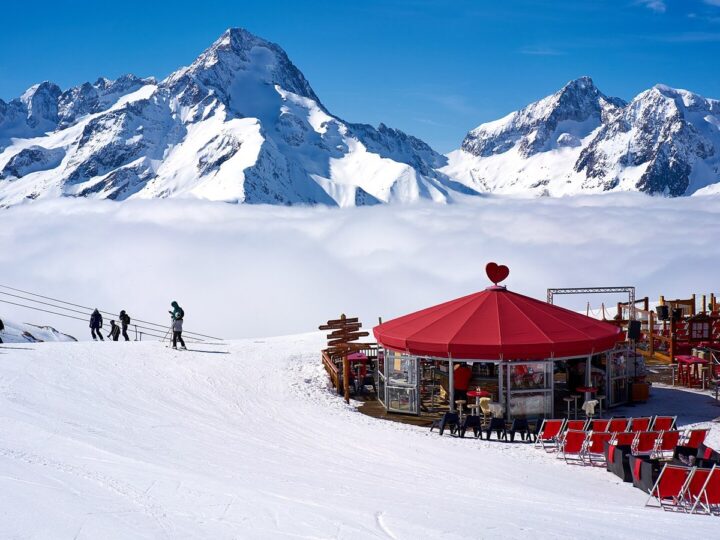
Fatigue remains the single biggest contributor to knee injuries on alpine terrain. The vast majority of ski patroller callouts take place after two in the afternoon, when legs are tired and runs become tracked out. Pacing yourself throughout the ski day is critical. Take regular rest breaks at slopeside chalets, stay hydrated, and do not hesitate to ride a gondola down to the village if your legs feel shaky after a long loop toward Méribel or Val Thorens.
Always observe mountain safety standards across Les 3 Vallées. Wear a certified ski helmet on every run. Stick to marked pistes, where snow conditions are managed and patrolled. If you plan to explore off-piste areas, check the daily avalanche bulletin beforehand, carry a transceiver, probe, and shovel, and consider booking a certified instructor or mountain guide. Purchasing comprehensive winter sports insurance that covers mountain rescue gives you essential peace of mind.
Post-Ski Recovery for Happy Joints
Caring for your joints does not end when you unclip your bindings. After returning to your chalet or hotel, elevate your legs and apply gentle cold packs if you notice minor puffiness. Gentle stretching of your calves, hamstrings, and hip flexors relieves excess tension on the knee joint and prevents next-day stiffness.
Spending an hour relaxing in warm water helps soothe tired leg muscles. The Aquamotion center between Courchevel Village and Moriond provides extensive swimming pools, balneotherapy lagoons, and hydrotherapy jets designed to relieve physical tension. Luxury hotel facilities like the spa at Les Airelles also offer targeted sports massages. Listening to what your body tells you ensures that your knees stay healthy through every season.
Frequently asked questions
Can knee braces for skiing completely prevent an ACL tear?
No brace can guarantee total protection against a severe ligament tear during a high-speed fall. A good brace provides structural stability, reduces hyperextension risk, and improves body awareness, but controlled skiing and correctly set bindings remain your best defenses.
Should I wear my knee brace over or under my thermal base layers?
Most compression sleeves and hinged braces work best placed directly against clean, dry skin to prevent slipping. However, some functional rigid braces are designed to sit comfortably over a thin, seamless thermal layer to avoid chafing.
Where can I get my ski bindings adjusted in Courchevel?
You can visit established ski shops across the resort villages, such as Jean Blanc Sports in 1850 or Francis Blanc Sport in Moriond. Qualified technicians will set your binding release values based on your height, weight, boot sole length, and skier type.
What should I do if my knee hurts while skiing in Les 3 Vallées?
Stop skiing immediately rather than trying to push through the discomfort. Take an easy lift or gondola back down to your resort base, apply ice, keep your leg elevated, and consult a doctor at a local medical clinic if pain or swelling persists.